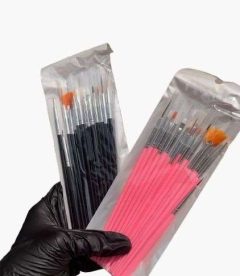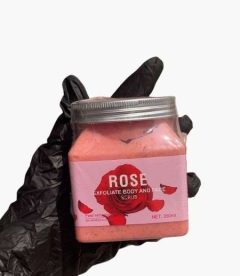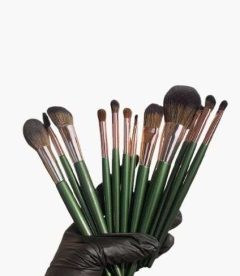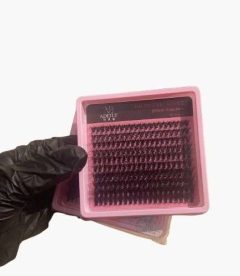
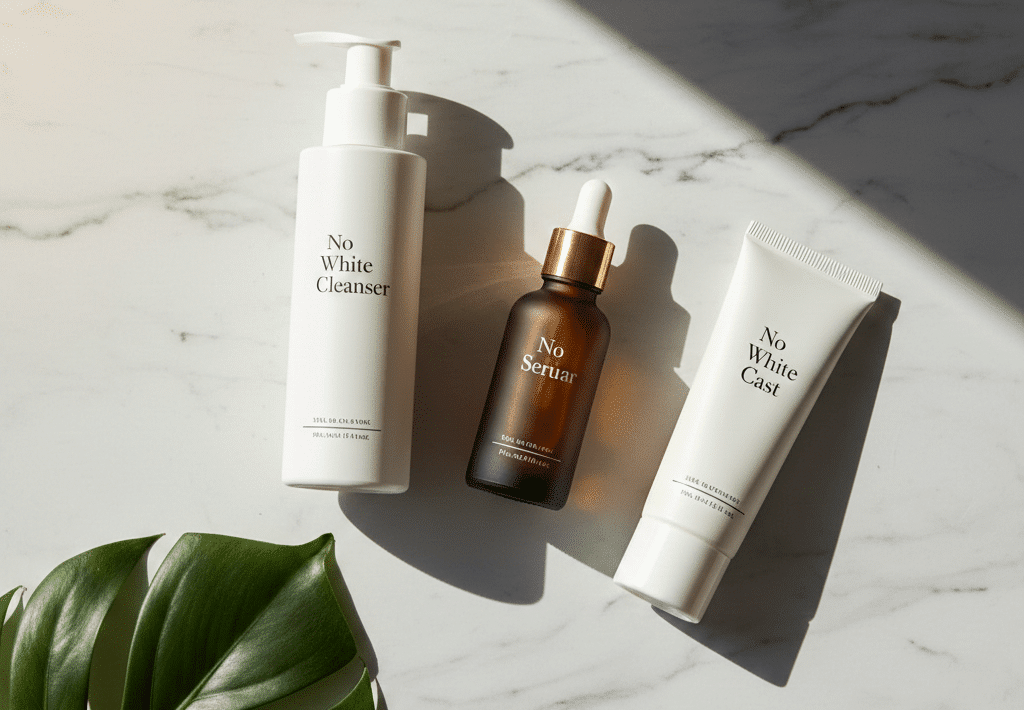
If you have ever walked into a cosmetics store in Nigeria and felt overwhelmed by shelves filled with products that were clearly not designed with your skin in mind, you are not alone. African and Nigerian skin has unique characteristics — from melanin density and sebum production to sensitivity to certain chemicals — that make a one-size-fits-all approach to skincare ineffective and sometimes even harmful.
The good news is that with the right knowledge and the right products, achieving healthy, glowing skin is absolutely within reach. This guide breaks down a simple, science-backed skincare routine you can build step by step, no matter your skin type or budget.
Understanding African Skin: What Makes It Different?
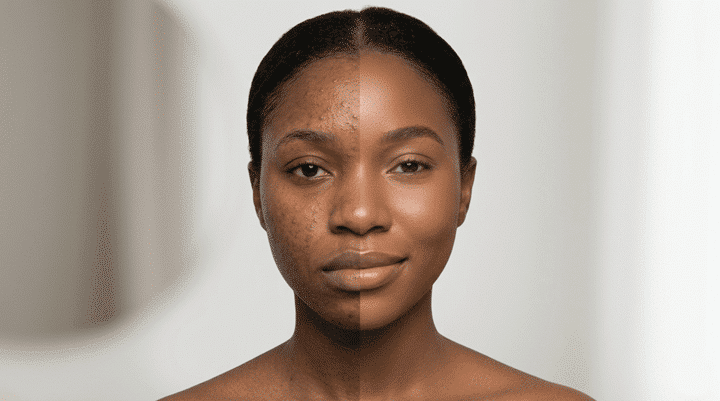
Melanin is the pigment that gives skin its colour, and people of African descent typically have higher concentrations of eumelanin — the type that produces darker tones. This melanin provides some natural protection against UV radiation, but it also makes the skin more prone to certain concerns:
- Hyperpigmentation and dark spots (Post-Inflammatory Hyperpigmentation or PIH) — these appear easily after acne, cuts, or inflammation.
- Keloid scarring — African skin is more likely to form raised scars.
- Uneven skin tone — melanin distribution can become uneven with age or sun exposure.
- Oiliness in the T-zone — many Nigerians experience combination or oily skin due to humidity and heat.
- Sensitivity to harsh chemicals — ingredients like high-percentage hydroquinone or mercury (still found in some bleaching creams sold in Nigerian markets) can cause long-term damage.
Understanding your skin type — oily, dry, combination, or sensitive — is the first and most important step before you buy any product.
Step-by-Step Skincare Routine for Nigerian & African Skin
Step 1: Cleanse (Morning & Night)
Use a gentle, sulphate-free cleanser that removes dirt, oil, and sweat without stripping your skin’s natural moisture barrier. In Nigeria’s hot and humid climate, cleansing twice daily is especially important.
- Best for oily skin: Gel-based or foaming cleansers with salicylic acid.
- Best for dry skin: Cream or milk cleansers.
- Best for sensitive skin: Fragrance-free, pH-balanced cleansers.
💡 Pro Tip: Avoid bar soaps on your face. Many popular Nigerian bathing soaps have a high pH that disrupts the skin barrier and worsens dark spots.
Step 2: Tone (Optional but Helpful)
A toner helps restore your skin’s pH after cleansing and prepares it to absorb serums and moisturisers better. Look for alcohol-free toners with ingredients like niacinamide, witch hazel, or rose water.
Step 3: Treat (Serum or Treatment Product)
This is where you target your specific skin concerns. Here are the most effective active ingredients for common African skin issues:
- Niacinamide (Vitamin B3): Reduces dark spots, evens skin tone, controls oil. Widely available and affordable.
- Vitamin C (L-Ascorbic Acid): Brightens skin, fights free radicals from sun exposure, fades hyperpigmentation.
- Retinol (Vitamin A): Speeds cell turnover, fades dark spots, and addresses fine lines. Start slowly — once or twice a week at night.
- Alpha Arbutin: A gentler alternative to hydroquinone for lightening dark spots.
- AHAs (Glycolic or Lactic Acid): Chemical exfoliants that brighten and smooth skin texture.
💡 Pro Tip: Do not layer multiple actives without research. Using Vitamin C and retinol together, for example, can irritate the skin if not introduced properly.
Step 4: Moisturise
Even oily skin needs moisturiser. Skipping this step triggers the skin to produce more oil to compensate, worsening breakouts. Choose a moisturiser suited to your climate:
- In humid Nigerian weather: Lightweight gel or water-based moisturisers.
- In harmattan season (dry and dusty): Richer creams or those containing shea butter, ceramides, or hyaluronic acid.
Step 5: SPF Sunscreen (Every. Single. Morning.)
This is the single most important step for African skin, and yet it remains one of the most skipped. The myth that dark skin does not need sunscreen is false and harmful. UV rays do penetrate all skin tones and are a leading cause of hyperpigmentation, uneven skin tone, and premature ageing.
Look for broad-spectrum SPF 30 or higher. Many sunscreens leave white cast on darker skin — look for chemical sunscreens or mineral formulas labelled ‘invisible’ or ‘no white cast.’

Ingredients to Avoid
The Nigerian cosmetics market unfortunately has a significant number of harmful products. Be cautious of:
- Mercury: Illegal globally but still found in some toning creams. Look for ‘mercurous chloride,’ ‘calomel,’ or ‘mercuric’ on labels.
- High-percentage hydroquinone (above 2% without prescription): Can cause ochronosis (permanent blue-black discolouration of the skin) with prolonged use.
- Steroids in non-prescription creams: Often used to quickly lighten skin, causing thinning and rebound darkening.
- Alcohol-heavy products: Cause dryness and irritation, especially in harmattan.
Building Your Routine on a Nigerian Budget
You do not need expensive imported products for a great skincare routine. Many effective products are now available in Nigeria at accessible price points. Focus on four essentials: a good cleanser, a Vitamin C or niacinamide serum, a moisturiser, and sunscreen. Start simple. Add products one at a time so you can identify what works and what does not.
Frequently Asked Questions
Q: Is it safe to buy skincare products from open markets in Nigeria?
A: Exercise caution. Always buy from verified cosmetics stores or reputable sellers who can confirm product authenticity. Counterfeit products are a serious problem in Nigerian markets.
Q: How long before I see results from a new skincare routine?
A: Most active ingredients require 4 to 12 weeks of consistent use before visible results appear. Be patient and consistent.
Q: Can I use shea butter as a moisturiser?
A: Yes! Raw shea butter is an excellent natural moisturiser rich in vitamins A and E. It is particularly effective during harmattan. However, it is comedogenic (pore-clogging) for some people, so observe how your skin reacts.
Building an effective skincare routine for African skin does not require a cabinet full of expensive products. It requires knowledge, consistency, and choosing the right ingredients for your specific skin type and concerns. When you shop at a trusted cosmetics store, ask questions — the best cosmetics retailers will not just sell you a product; they will help you understand exactly what you are buying and why.
Sunnez Cosmetics, located at No. 2B Kano Street, Main Market, Onitsha, is committed to educating every customer on the products they purchase. Visit us in store or reach us on WhatsApp for personalised product recommendations. Send Us Message